
Seated In And Outs Tutorial
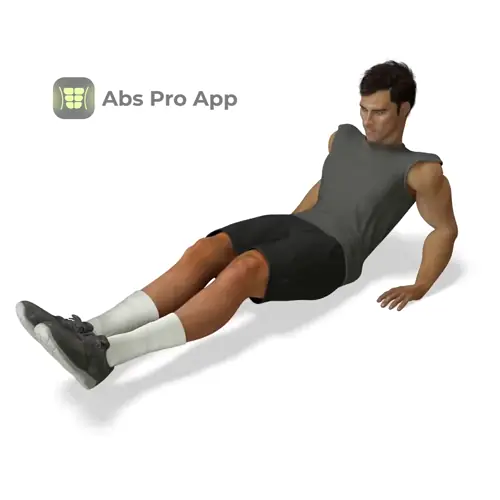
Seated In and Outs are a bodyweight core exercise done sitting on the floor with your hands supporting behind your hips and your legs lifted straight off the ground. From this position, you pull your knees toward your chest and extend them back out without letting your feet touch down. This move builds strength and control in the abs while also challenging hip flexors and balance.
It is a beginner-friendly exercise that works well in abs workouts, warm-ups, or finishers. Focus on smooth control, staying tall through the chest, and keeping tension in your core the entire time.
Benefits
- Builds core strength with no equipment
- Improves control and coordination
- Teaches core bracing in a seated position
- Strengthens hip flexors and lower abs
- Easy to scale up or down
- Great for home workouts
- Low impact on joints
Setup & Starting Position
Sit on the floor with your legs extended straight in front of you. Place both hands on the ground slightly behind your hips, fingers pointing forward or slightly outward, whichever feels more comfortable on your wrists.
Lean your torso back just enough to feel your abs engage, but keep your chest lifted and spine long. Press gently through your hands for balance, not to push yourself up.
Lift both straight legs off the floor so your heels are hovering. Your knees should stay extended at the start, and your feet should remain off the ground for the entire set.
Setup tip: If your lower back feels strained, lean back a little more and think about pulling your ribs down toward your hips before starting the first rep.
How To Do Seated in and outs (Step-by-step)
- Sit tall with hands planted behind your hips for support.
- Lift both straight legs off the floor, heels hovering.
- Brace your core and keep your chest open.
- Bend your knees and pull them toward your chest.
- Keep your feet off the ground as you tuck in.
- Pause briefly when your knees are close to your chest.
- Extend your legs back out to the starting position.
- Straighten the legs fully without locking the knees.
- Maintain balance using light pressure through the hands.
- Repeat for controlled reps without touching the floor.
Form Cues
- Chest up, shoulders relaxed
- Hands support, core does the work
- Feet stay off the floor
- Move slow and controlled
- Ribs down, abs tight
- No swinging or momentum
Breathing & Bracing
Start each rep by gently tightening your abs, as if preparing for a light cough. This creates stability through your midsection without holding your breath.
Inhale as you extend your legs out, keeping the movement slow and controlled. As you pull your knees back toward your chest, exhale steadily and feel your abs contract.
A simple rhythm you can repeat is: inhale on the way out, exhale on the way in. Keep breathing smooth and avoid tensing your neck or shoulders.
Focus on keeping your ribs stacked over your hips and your lower back neutral. If you feel yourself holding your breath, slow the reps down and reset your breathing before continuing.
Common Mistakes
- Letting the feet touch the floor, keep them hovering the entire time.
- Rounding the lower back, lift the chest and engage the core.
- Using momentum to swing the legs, slow down each rep.
- Pressing too hard through the hands, let the abs lead.
- Shrugging the shoulders, relax them away from the ears.
- Rushing reps, aim for smooth controlled movement.
How It Should Feel
Quick Self-Check:
Good signs: You feel steady tension through the front of your abs, your hips stay controlled as the legs move, and you can complete reps without your feet touching down.
You may also feel light work in the hip flexors, especially as the legs extend, which is normal for this exercise.
Warning signs: Sharp pain in the lower back or hips means you should stop. Neck tension or shoulder strain usually means you are leaning too far back or pressing too hard through the arms.
If you feel it mostly in your lower back, lean back slightly more and shorten the range of motion. If balance feels shaky, slow the tempo and focus on breathing and bracing.
Alternative Names
Seated in-outs, Seated leg in and out
Variations
Easier
- Bent-Knee Seated In and Outs: Keep knees bent as you extend and pull in to reduce leverage.
- Heel Tap In and Outs: Lightly tap heels to the floor between reps for extra support.
- Short Range In and Outs: Pull knees in halfway instead of fully to chest.
Harder
- Straight-Leg Extended Hold: Pause for 2 to 3 seconds with legs fully extended.
- No-Hands In and Outs: Lift hands off the floor and balance using the core.
- Slow Tempo In and Outs: Take 3 to 4 seconds each direction to increase tension.
Sample Workout
Core Starter Workout
- Seated In and Outs, 3 sets of 10 to 15 reps
- Glute Bridge, 3 sets of 12 reps
- Dead Bug, 3 sets of 8 reps per side
- Forearm Plank, 3 sets of 20 to 30 seconds
Rest 30 to 45 seconds between exercises. Focus on control rather than speed.
Progression Plan
Week 1: Start with 2 to 3 sets of 8 to 10 reps. Use smooth, controlled movement and rest 45 seconds between sets. Focus on keeping feet off the ground and maintaining posture.
Week 2: Increase to 10 to 15 reps per set. Begin slowing the tempo slightly, especially during the leg extension. Reduce rest to about 30 to 40 seconds.
Week 3: Add a 2-second pause when the knees are pulled in. Keep reps in the 10 to 12 range and maintain strict form.
Week 4: Progress to a slow tempo or no-hands variation if you can complete all reps without losing balance. If form breaks down, repeat the previous week until control improves.
FAQ
Should my legs stay straight the whole time?
They start straight, then bend as you pull the knees in, and straighten again as you extend.
Can I lean far back to make it easier?
A slight lean is fine, but leaning too far back shifts work away from the abs.
How many reps should I do?
Most beginners do well with 8 to 15 controlled reps per set.
Is it okay if my hands get tired?
Yes, but if they fatigue quickly, try a bent-knee variation.
Summary
Seated In and Outs are a simple yet effective way to train your abs using only your bodyweight. By focusing on control, breathing, and keeping your feet off the floor, you build real core strength that carries over to many other exercises.
Use the beginner variations to learn the movement, then progress slowly as your balance and strength improve. Stay patient, move with purpose, and let your abs do the work.
Get Defined Abs in 30 Days
This exercise is part of our complete 30-day ab program. Download the app for structured daily workouts and track your progress.