
Leg Lower Opener Tutorial
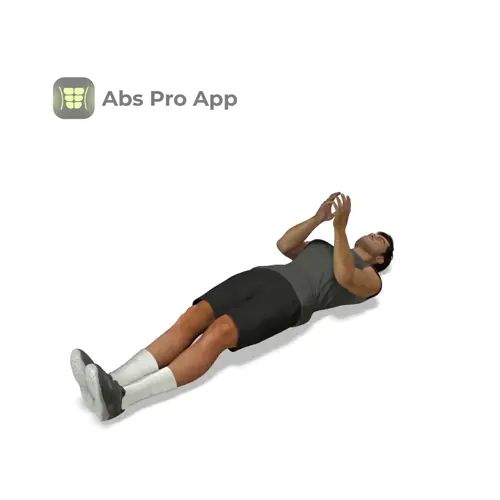
Leg Lower Opener is a beginner friendly bodyweight abs exercise done lying on your back with straight legs held slightly off the floor.
It combines leg lowering with opening and closing the legs, which challenges your core to stay tight while your hips move. This makes it a great choice for anyone learning how to control their abs, protect their lower back, and build endurance.
This exercise is ideal if you are looking for a simple how to guide to train your abs at home with no equipment. Focus on slow control, keeping your lower back gently pressed into the floor, and moving your legs smoothly.
Benefits
- Builds core control and endurance
- Strengthens lower abs without equipment
- Improves hip control and coordination
- Helps teach proper leg lowering technique
- Supports better posture and spinal stability
- Easy to adjust for different fitness levels
Setup & Starting Position
Lie flat on your back on a mat or comfortable floor surface. Extend both legs straight and keep them together. Place your arms along your sides with palms pressing lightly into the floor for balance.
Lift both legs together so they hover slightly off the floor, about 20 to 30 cm. Your knees stay straight but not locked. Gently press your lower back into the floor by tightening your abs and slightly tucking your pelvis.
Keep your head, shoulders, and neck relaxed on the ground, eyes facing up. Your ribs should stay down, not flared up.
Quick setup tip: If your lower back arches right away, lift your legs a little higher before starting.
How To Do Leg lower opener (Step-by-step)
- Lie on your back with legs straight and slightly lifted.
- Engage your abs and press your lower back gently into the floor.
- Lower both legs down a few inches with control.
- Open your legs wide while keeping them straight.
- Bring the legs back together slowly.
- Lift both legs back up to the starting height.
- Move smoothly and keep tension in your core.
- Repeat for the desired number of reps.
Form Cues
- Lower back stays on the floor
- Move slow and controlled
- Legs stay straight
- No swinging or momentum
- Ribs down, abs tight
- Neck and shoulders relaxed
Breathing & Bracing
Start by taking a calm inhale before the first rep. As you lower your legs and open them, slowly exhale through your mouth. This helps your abs stay engaged and keeps your lower back supported.
When you close the legs and lift them back up, take another gentle inhale. Think about tightening your abs like you are bracing for a light cough, firm but not stiff.
A simple breathing rhythm to follow is inhale at the top, exhale as the legs go down and open, then inhale again as they close and lift.
Avoid holding your breath. Smooth breathing helps you maintain control and prevents unnecessary tension in your neck and hips.
Common Mistakes
- Arching the lower back, fix by lifting the legs higher or bending them slightly.
- Moving too fast, fix by slowing the tempo and staying controlled.
- Letting the legs drop too low, fix by stopping before the back lifts.
- Tensing the neck, fix by relaxing your shoulders and jaw.
- Using momentum to lift, fix by focusing on abs doing the work.
How It Should Feel
Quick Self Check
Good signs: You feel steady tension in your abs, especially the lower abs. Your lower back stays in contact with the floor. Movements feel slow and controlled. Breathing stays smooth.
Warning signs: Sharp pain in the lower back, hips, or groin. Strong neck strain. If you feel sharp pain, stop the exercise.
If you feel it mostly in your neck, relax your shoulders and keep your head heavy on the floor. If you feel it in your lower back, reduce the range of motion or lift the legs higher. Adjust until your abs take the load.
Alternative Names
Leg lower with open and close
Variations
Easier
- Bent knee leg lower opener, keep knees bent to reduce leverage.
- Smaller range leg opener, open legs only slightly and lower less.
- Heels supported version, lightly tap heels to the floor between reps.
Harder
- Low hover leg lower opener, keep legs very close to the floor.
- Paused open position, hold the wide open position for 2 to 3 seconds.
- Slow tempo reps, take 5 seconds down and 5 seconds up.
Sample Workout
Beginner Core Workout
- Leg Lower Opener
3 sets of 8 to 12 reps - Dead Bug
3 sets of 10 reps per side - Glute Bridge
3 sets of 12 reps - Front Plank
3 sets of 20 to 30 seconds
Rest 45 to 60 seconds between sets. Focus on control and breathing rather than speed.
Progression Plan
Week 1
Perform 2 to 3 sets of 8 to 10 reps. Keep the leg lift height slightly higher and focus on perfect control. Rest 60 seconds between sets.
Week 2
Increase to 10 to 12 reps per set. Lower the legs a bit closer to the floor while maintaining back contact. Reduce rest to 45 seconds.
Week 3
Add a slower tempo, taking 3 to 4 seconds to lower and open the legs. Keep reps at 10 to 12.
When to progress
Move to advanced variations once you can complete all reps without back arching or loss of control. If form breaks, repeat the previous week.
FAQ
How low should I lower my legs?
Lower them only as far as you can while keeping your lower back on the floor.
Should my legs stay completely straight?
Yes, keep them straight but not locked. Slight softness in the knees is fine.
Can I place my hands under my hips?
Yes, this can add support if your lower back struggles.
How many reps should I do?
Start with 8 to 12 controlled reps and build up gradually.
Summary
The Leg Lower Opener is a simple yet effective way to train your abs with control and precision. By combining leg lowering with opening and closing, it teaches your core to stay stable while your hips move.
Take your time, breathe steadily, and prioritize form over reps. With consistent practice, this exercise can become a strong foundation for more advanced abs training.
Use this guide and tutorial to build confidence, protect your lower back, and improve your core strength step by step.
Get Defined Abs in 30 Days
This exercise is part of our complete 30-day ab program. Download the app for structured daily workouts and track your progress.